
 .
. ................................... ................................... ............................................................................................................................................................................................................. ........................................................................................... |
|
In 1857,
Baltimore
City's Police Department consisted of a Chief, one
Deputy,
8 Captains, 8 Lts., 24 Sgts, and 393
men. There were also 4 Superintendents, 42
Lamplighters, and 5 Detectives. There were two
shifts,
day shift from 6 AM, to 8 PM, and night shift, from
8 PM to 6 AM. There was also a small reserve
force, and if there was a vacancy, that reserve
force made sure the shift went out at full force. In
the 1880's, Baltimore had four station house,
First - Eastern ( 22 day beats, 44 night beats ),
Second - Middle < Central > ( 38 day
beats, 76 night beats ), Third, Western ( 23 day
beats, 46 night beats ) and Fourth -
Southern ( 22 day beats - 44 night beats ) . The
headquarters
was on North Street < Calvert Street >,
near Fayette, in a building also occupied by the
Water Commission. In 1860, the Department was
reorganized.
By 1912, The Baltimore Police Department had 1052 persons employed, from Commissioner to station house matrons. Police headquarters was located in the Main Courthouse downtown, and eight station houses were located around the City, each with a magistrate to dispose of minor crimes. Look below for the status of the older station house that still stand to this day. Central District & Headquarters Built around the 1920's . Torn down to make way for the Jones Fallls Expressway. Before this building was constructed, Police Headquarters was housed in the Main courthouse.  |
.. . . |
|
..
 Photo
- Courtesy of the Baltimore
Gas and Electric Collection at the Baltimore
Museum of Industry
|
|
.

.Move from the
old Headquarters building to the new one in the
1970's. Soon
after the move, the old building was torn down to
make
way for an exit ramp to southbound Interstate 83.
|
|
.
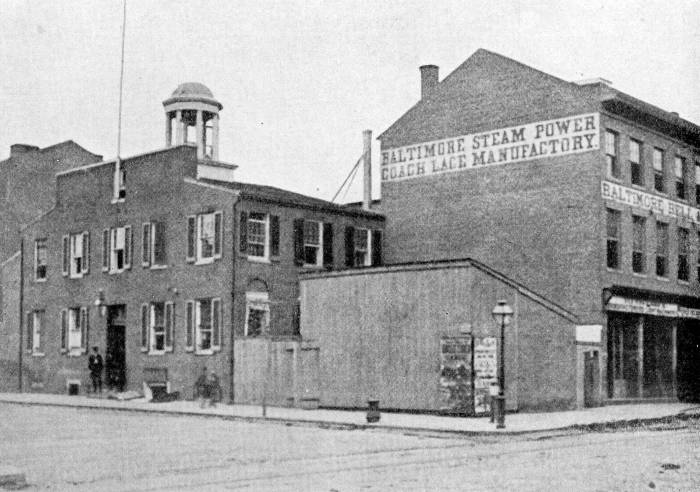 .Baltimore's old Central
District - Saratoga near Holiday Street
|
| Southeastern
District ( Substation for
Eastern District
) Toone and 2nd Streets ( Canton ) Actually listed as the Eastern District substation in some guides. Building still stands, and has been recently renovated, likely to be used as a residence. |
.
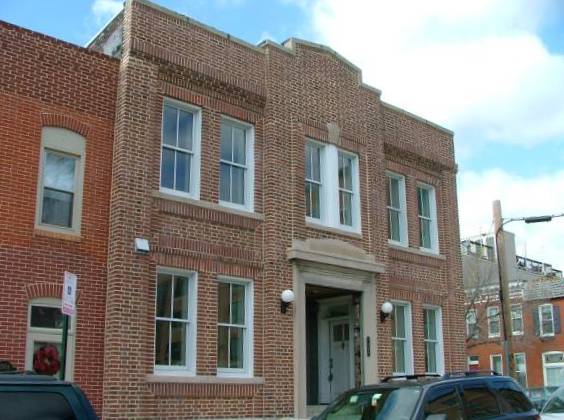 ........Southeastern Station house
|
.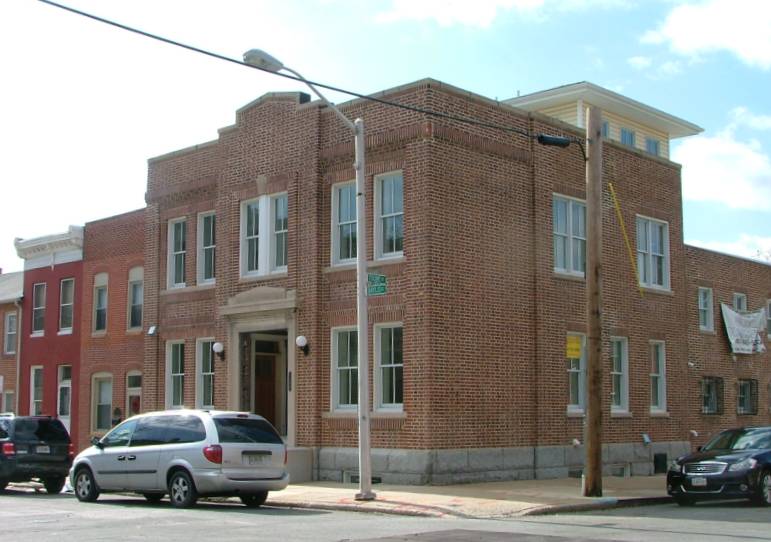 |
|
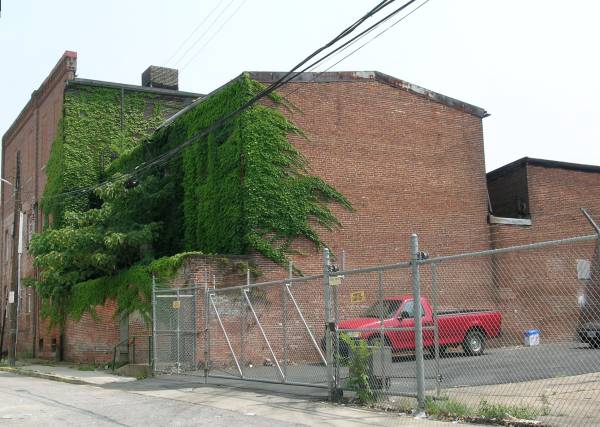
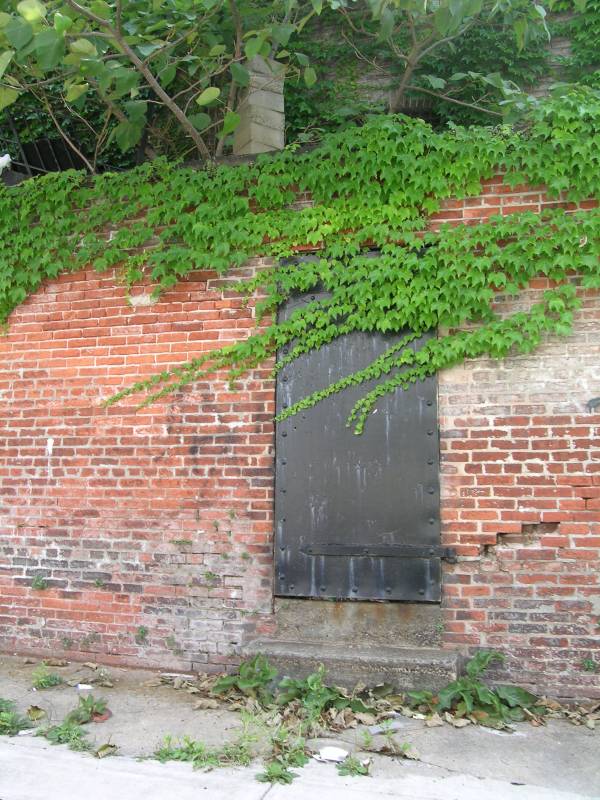
Baltimore's
old Eastern Stationhouse
1621 Bank
Street
.
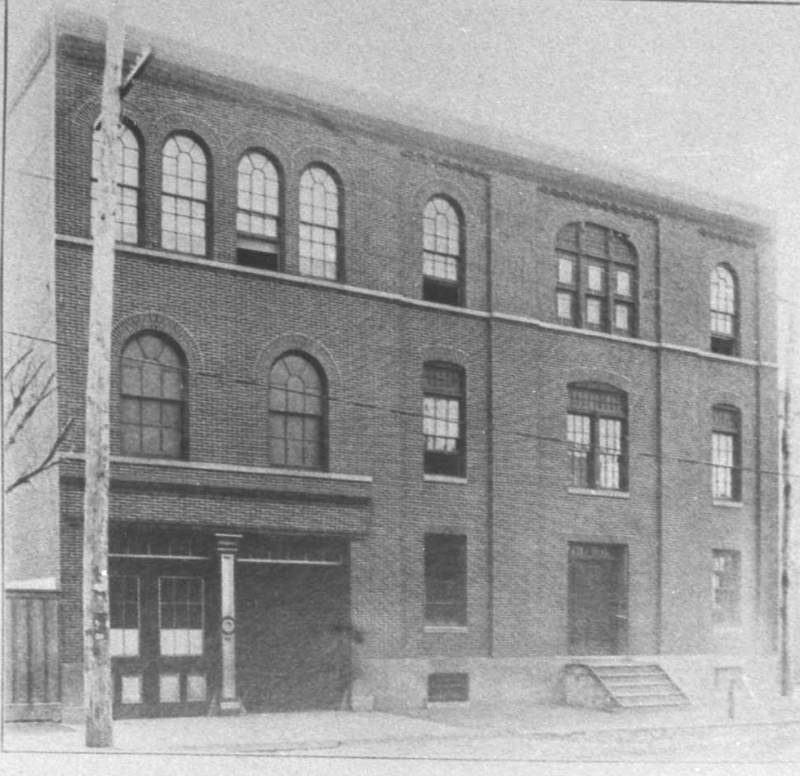 |
.
 |
. |
|
.
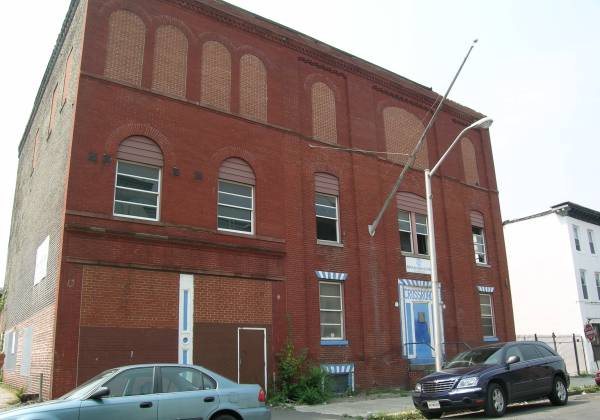 Eastern
District Station house
|
|
.
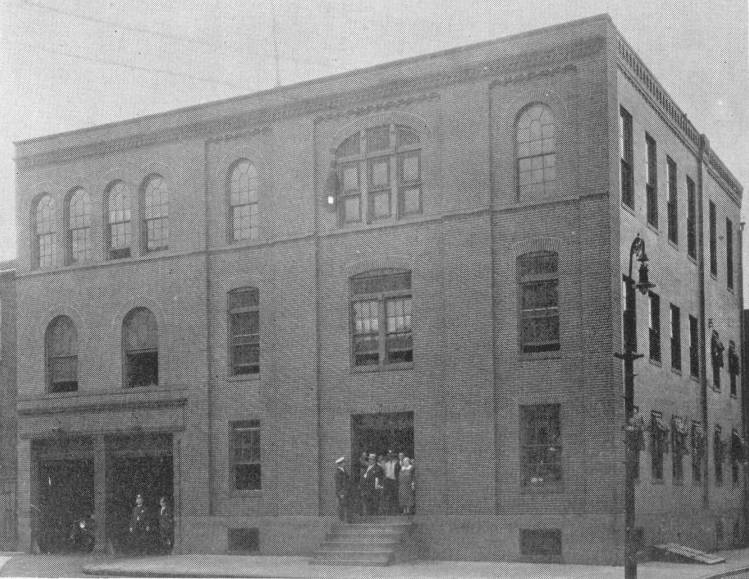 .Eastern
Station
house 1930
|
|
Baltimore's
old Northeastern Station house
1811
Ashland Avenue
.
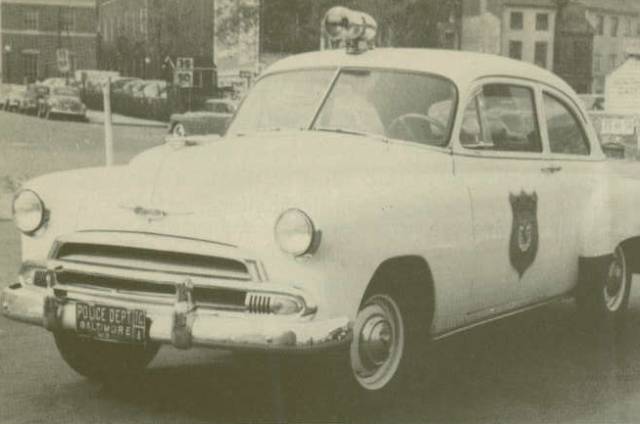
The only building for blocks to be left
standing after Hopkins Hospital cleared the area
for expansion. The old station house,
no longer actually in " Northeastern
District proper ", and is almost located in the
Southeastern
District, as the City expanded leaving tell tell
signs
of District houses far from where they were to
serve.
The building is currently used as offices and is
great conditioN. Back in the mid- 1800's, the
address listed for the Northeastern District was
" Durham and Chew Streets ". I can find Durham
Street, but I'm not sure what renamed street is
Chew Street ( Still working on this ).
Back in 1887, one report stated that the cells
at the Northeastern District were the cleanest
in the city, and the stationhouse had by far the
best gym. Northeast District was created
out of a section of the Central District, when
that District got too large, and the new NED
included sections of the old Eastern District as
well.
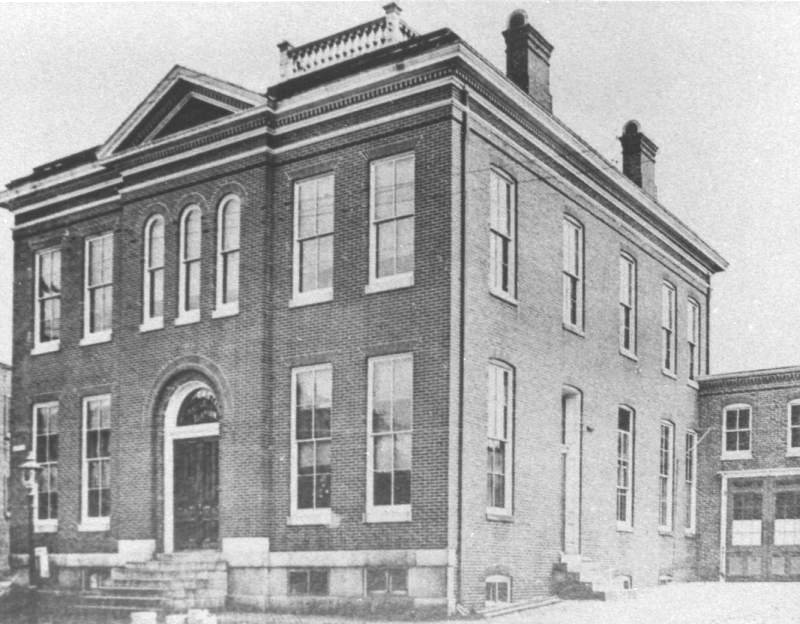 |
 .Northeast
Station
house
|
Northeastern Police Substation 5800 block of Belair Road ( " opposite Gatch's Quarry " ) |
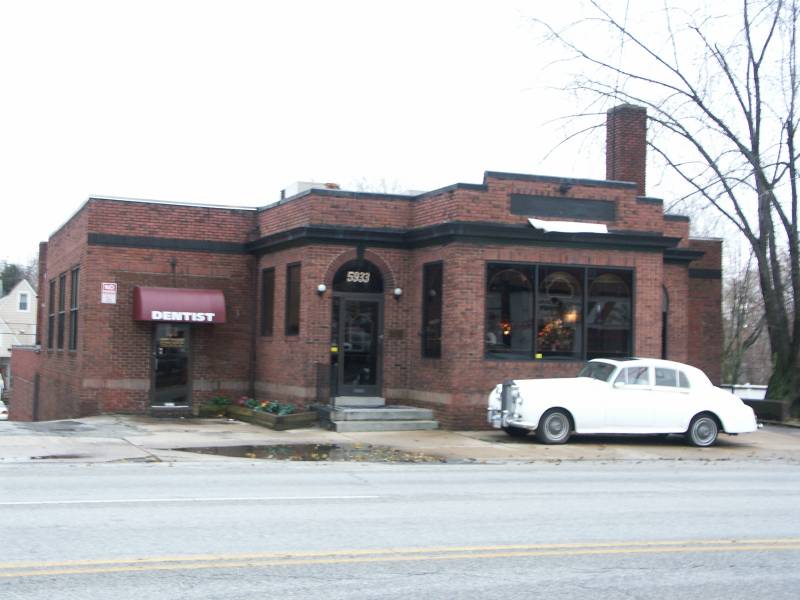 Northeastern
Police
Substation
|
|
Baltimore's
old Northern District Station house
3355
Keswick Road
The
station was replaced just a few years ago and
the building has been converted into a office
complex. This building was also used as the
Police Academy at one time. It is complete
with the old stables and two small jail cells in
the
basement, which were used as lockers for
officers right
before the building closed.
.
 Northern District
around the 1890's.
|
|
.
 .Northern District Police
Station
- 2007
..................................................... . .
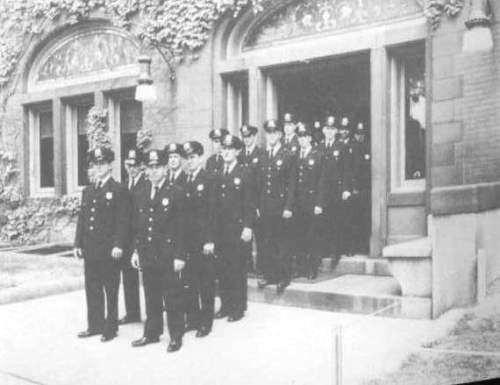 Class coming out
of the Academy, circa 1950's when Northern was used
as
the Academy.
|
|
Northern
District SubStation
Bellona
And York Rd
The small
Northern District Police Substation was
located in the rear of the Baltimore Fire
Department's Engine Company 43 house, at Lyman
Avenue and Bellona Avenue. The substation
closed down many years ago, and the fire
company was relocated a few years ago to the
5600 block of the Alameda. The building has
been converted into a residence. From what I
understand, the firehouse on Upland Road in
Roland Park may have also housed
a " sub station " for several years, and there
may
have been cells in the rear of the firehouse
for
years.
|
|
.
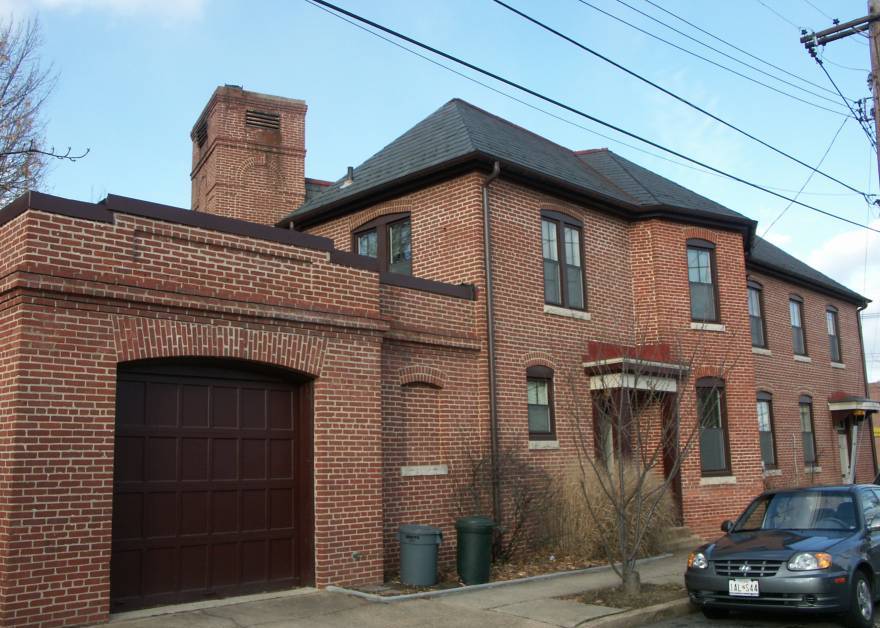 .Northern District Substation
|
|
Northwestern
Police Station
Pennsylvania
Avenue at Lanvale Street
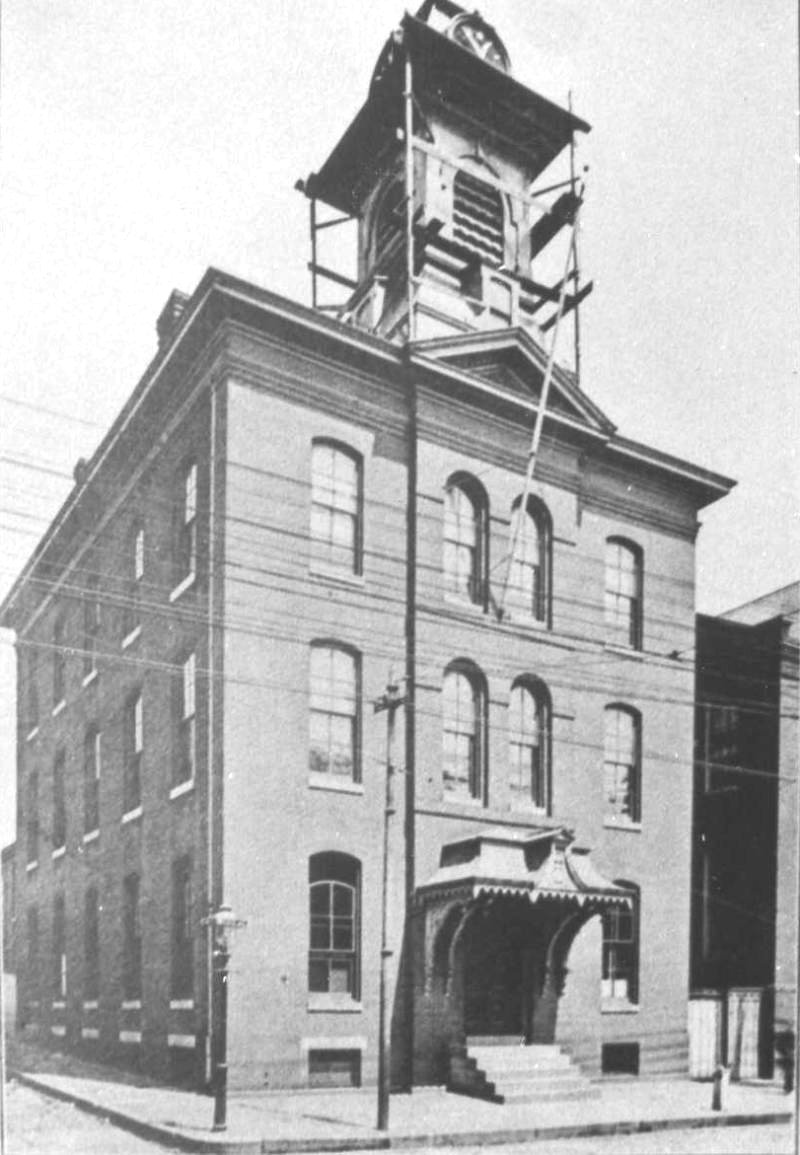
In 1874, Northwestern
District was created out of a section of the
old Western District. When the
District
, described as a large brick building
first opened
, the area was one of the most dangerous in
Baltimore City, with " gang " problems known
to frequent along Hookstown Road, the old
name for Pennsylvania Avenue. Areas
that included coverage from the Northwestern
District were the first Johns Hopkins
University
( at Howard and Centre ) and the old Academy
of
Music building on Howard Street and North
Baltimore
, just to name a few. The District
included Franklin Street, Park Avenue,
Boundary Street ( North Avenue ) and the "
Western City Limit " at the time. In the
summer
months, Baltimore's weathier citizens
retreated
to their over 900 summer homes in the
District,
and burglaries were always a problem when
those homes were vacant during the winter
months. Baltimore's
old Northwestern station house was torn down
years, and the site is now a school playground.
 |
.
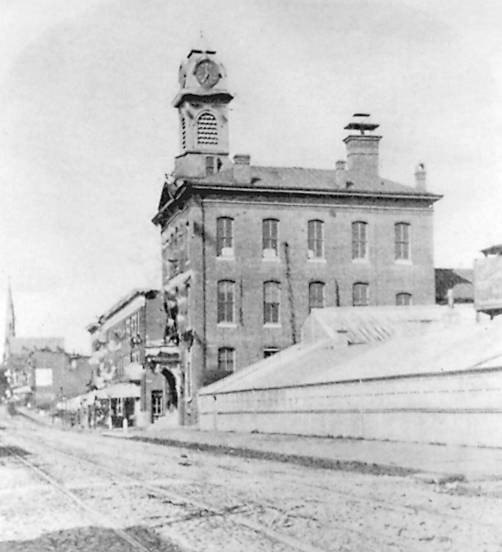 Northwestern
Police station : Baltimore Maryland
|
.......... |
|
.
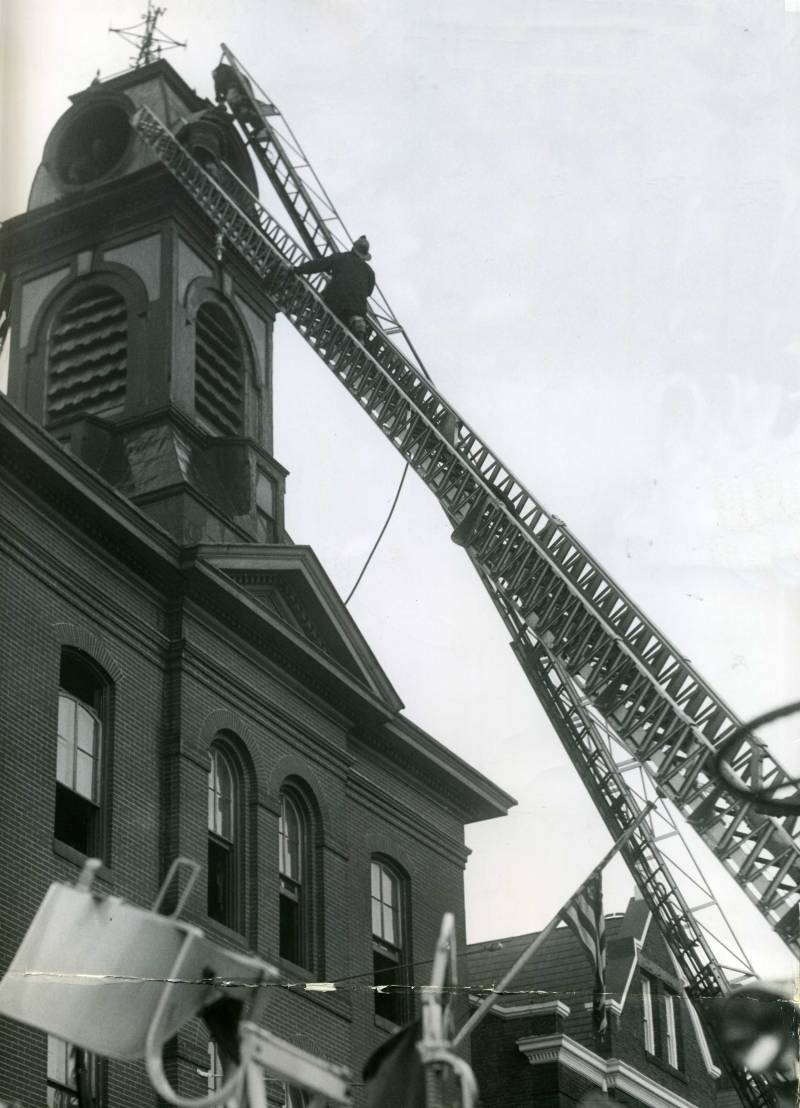
It appears the
tower section of the old Northwestern was a source
of bad
luck, in images above you can see a support built
around
it and in later years, a fire affecting the tower as
well.
|
|
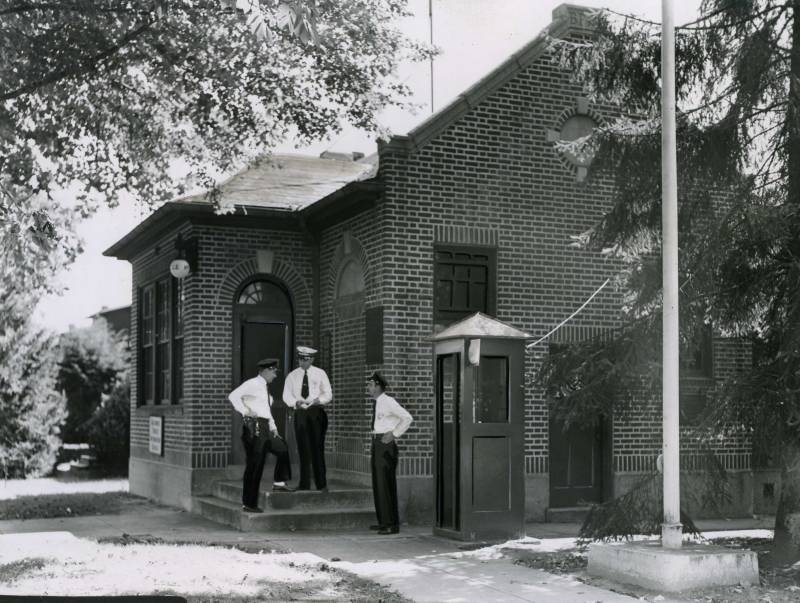
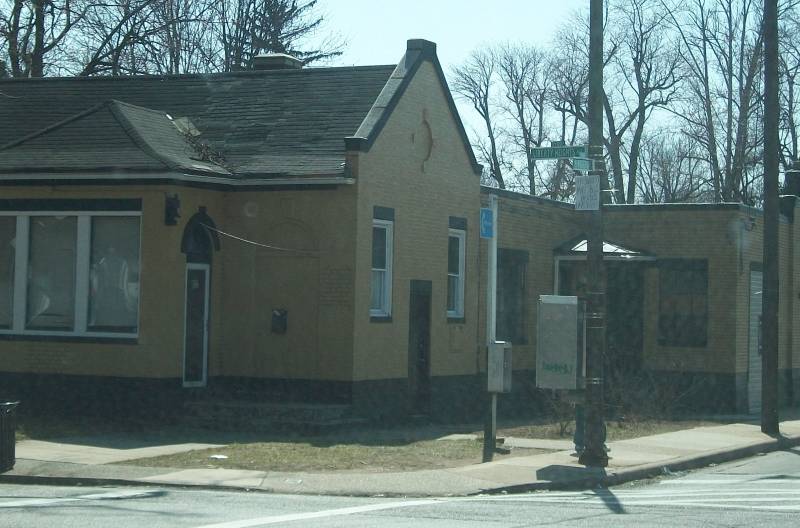
Northwestern Police
Substation
Liberty Hgts and
Rogers Avenue
|
|
.
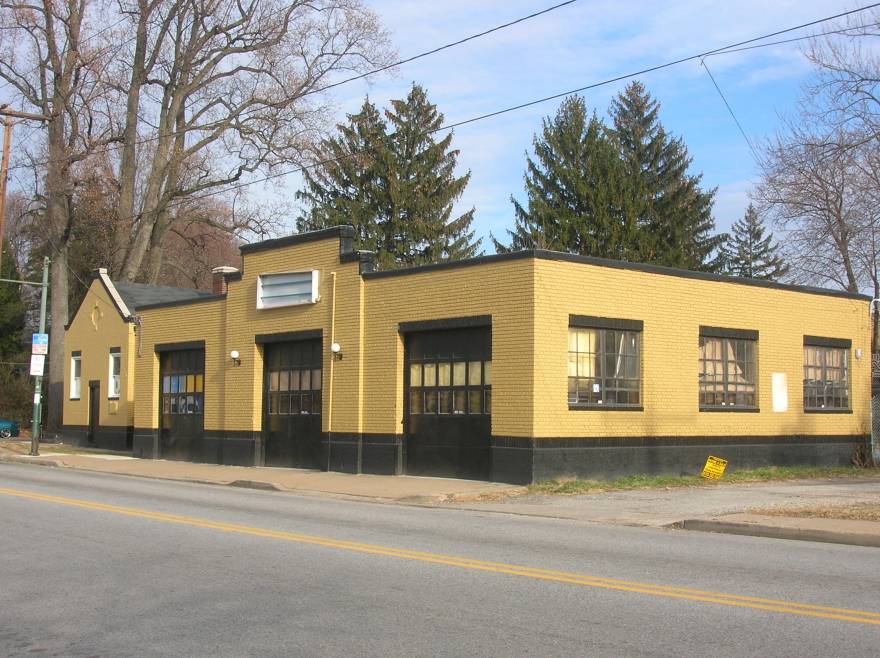 Northwestern
Police
Sub station
|
.. |
|
..
.
 |
|
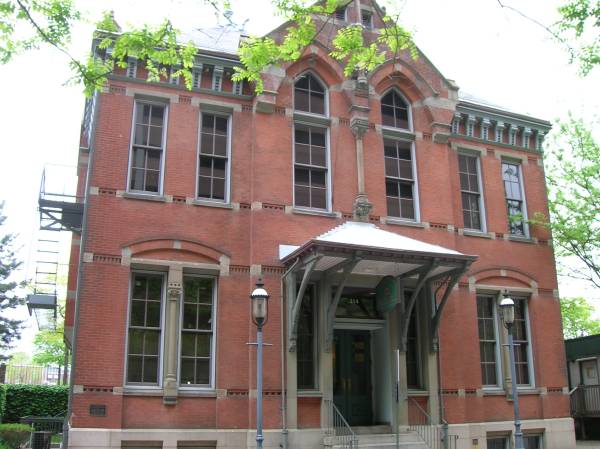
Baltimore's Western
District on
Pine Street, just west of downtown. (
Built in 1871 )
The building is
currently used by the University of Maryland
- Medical School Police Department. By
1959, one Directory has it listed as the
Bureau of Missing Persons Building
for the Police Department, at 214-220 Pine
Street.
Planning for Martin Luther King Jr. Blvd
called for
the tearing down of the old station house, but
protests kept the building for coming down.
Back in the 1880's, the Western
covered the area of Howard, Pratt, Lombard,
Liberty and Schroeder Streets. At that time,
there were 62 men working the District,
48 of them Patrolmen. Besides the residences,
they
also protected 8 banks, Lexington Market and
Ford's Theatre ( Opera House ).
.
 Old Western
District
Station House 2007
|
 |
.  |
|
.
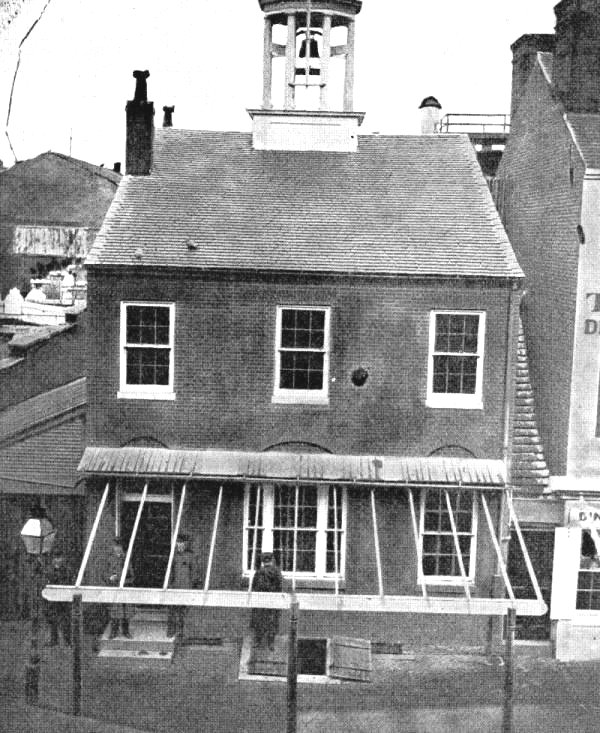 Baltimore's Western District,
before Pine Street.
|
|
Baltimore's
Southwestern District Station house
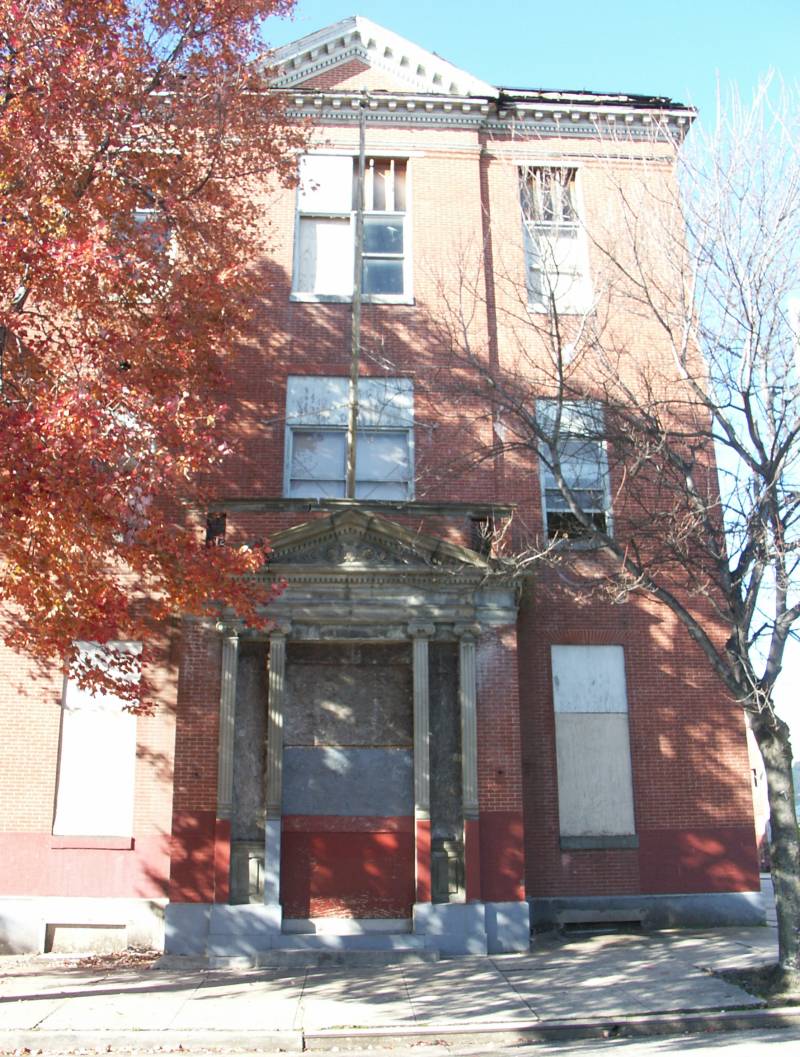
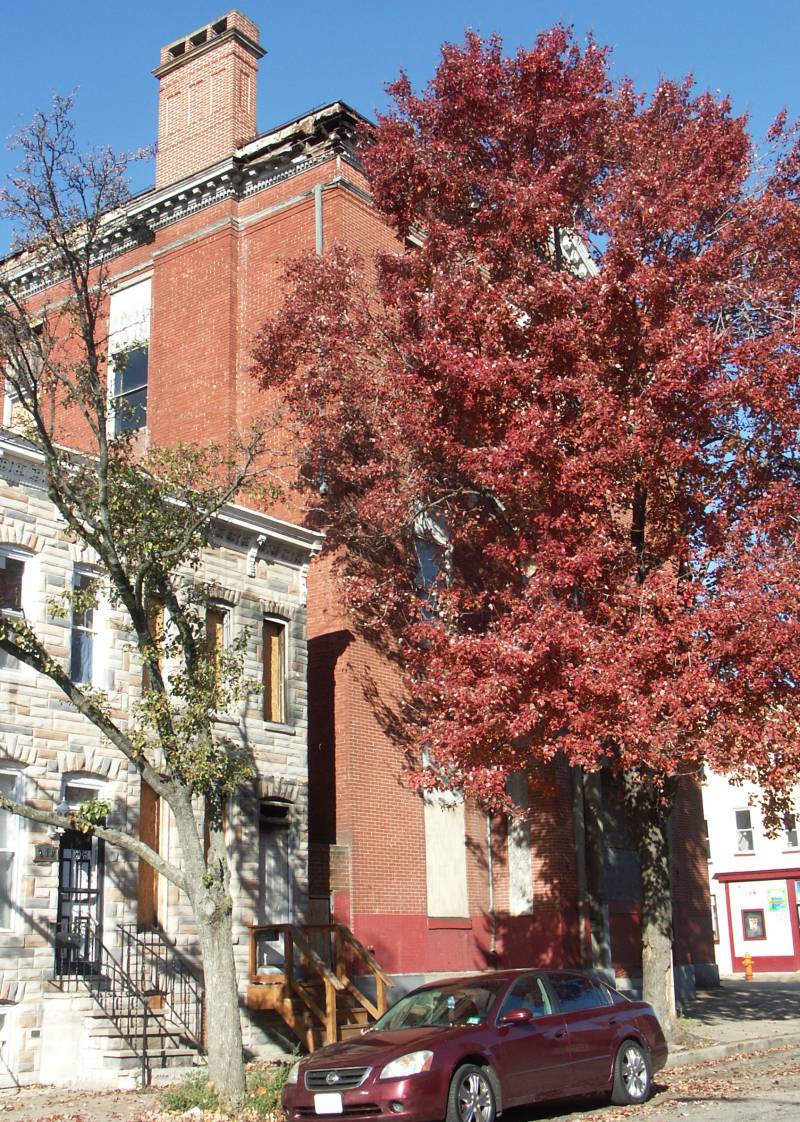
200 South Calhoun Street ( Southwest corner of Pratt Street ) Substations listed in 1948 - Washington Boulevard and Letitis Avenue & Old Frederick Road and North Bend. ( The substation at Frederick and North Bend looked much like the one at Liberty Hgts and Rogers ) ..
When it was built, Baltimore's
Southwestern District was built, it was the City's
largest stationhouse. 45 Patrolmen worked
out of the
District in the 1870's, and the
station had stables complete with station and jail
wagons. W ..
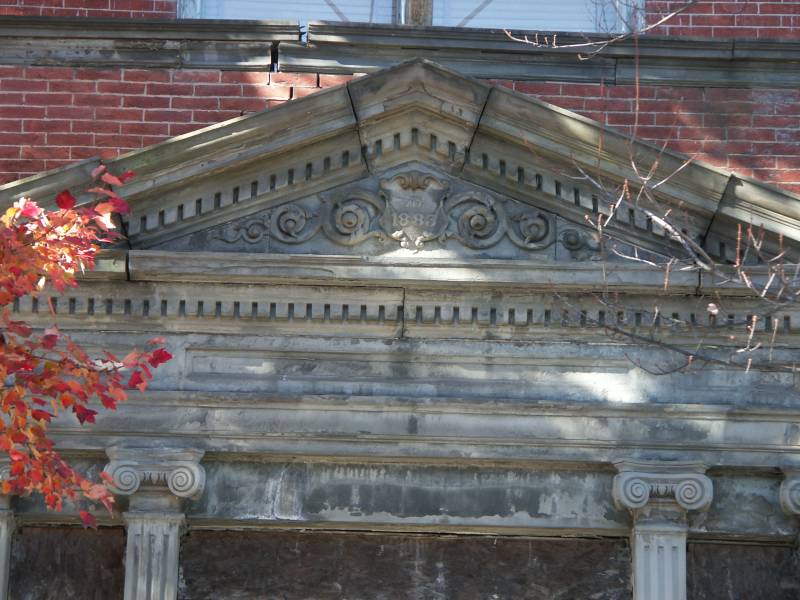 Southernwestern
Police station house
|
.
 |
.  |
|
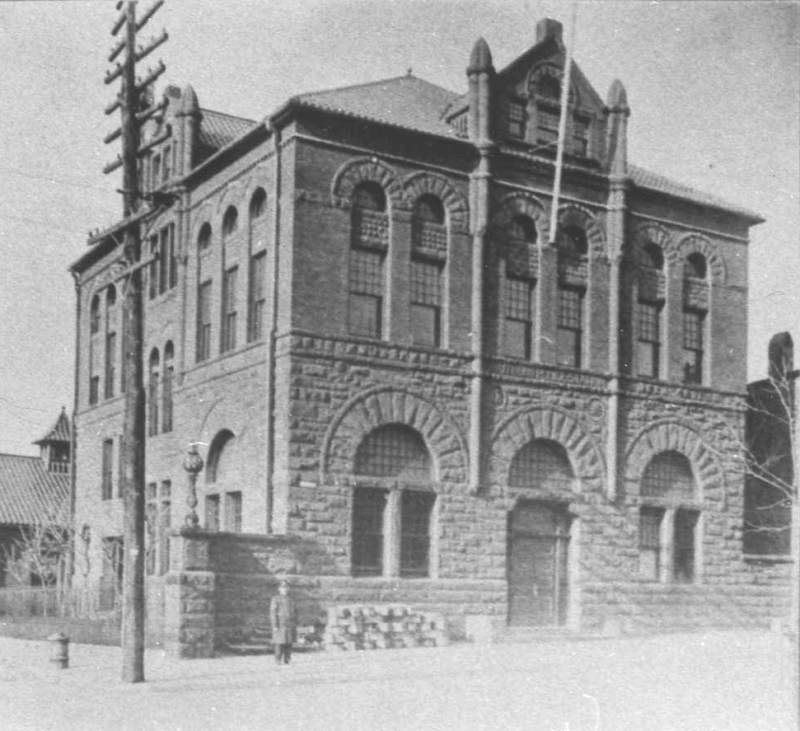
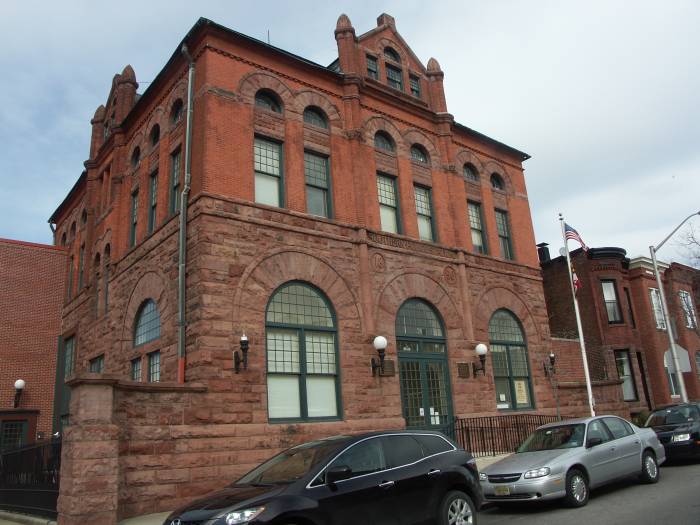
Southern
District Station House
26 East Ostend Street Replaced about 30 years ago, the old Southern District building is used as offices today, and the building is in excellent condition. Southern District covered the areas south of Pratt Street in the past ,much like it does today. The boundary went east to the water, and areas included Camden Station, the B&O, Hanover and Cross Street Markets and many of Baltimore's steamboat lines. By 1888, there were complaints the District had gotten too large, with 117 men to handle the area, 99 of them Patrolmen. Substation listed in 1948 1st and B&O RR - ( Brooklyn ) ..
 |
.
 |
.
 ......Southern Police
Station
house 2007
|
.
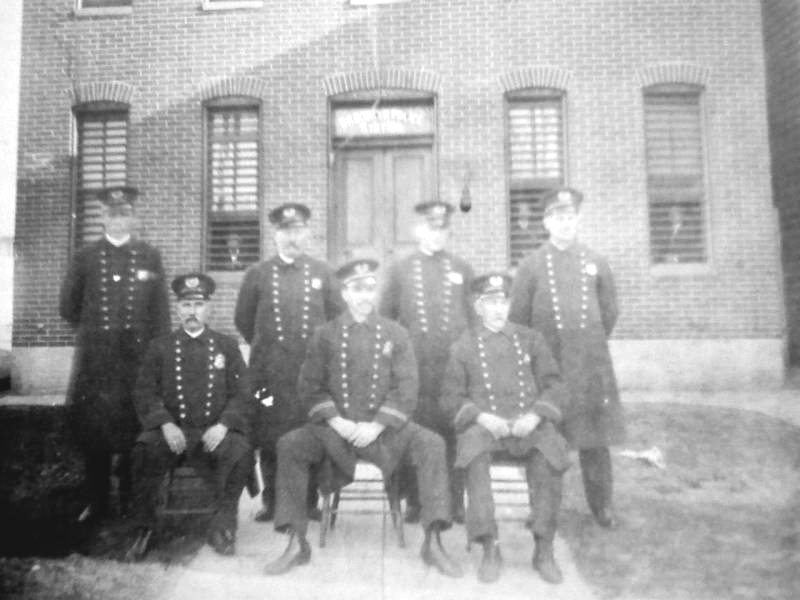 An old image of
the
Southern District SubStation in Brooklyn.
|